

News
Related suggestion
- 2025 Price Outlook: How the price of solar panels Impacts Project ROI and Procurement StrategiesGenerac solar generator, grid tied solar system and hybrid solar inverter buyers: decode 2025 pv panel prices, price of solar module and price of solar panels to decide whether to purchase solar panels or pick Jinko solar panels. Learn how many kilowatt hours in a watt, how much are solar panels for homes, and get ROI-ready procurement guidance to protect margins — access our checklist and price forecasts now.
- Integrating a generac solar generator with a grid tied solar system: Cost, Controls and Compliance Guide 2025Generac solar generator with grid tied solar system: guide on hybrid solar inverter controls, Jinko solar panels and pv panel prices. Compare price of solar module and price of solar panels, learn how much are solar panels for homes, how many kilowatt hours in a watt, how to purchase solar panels and get custom plan.
- Grid tied solar system ROI: What Procurement Teams Must Check in 2025 Before Signing ContractsGrid tied solar system ROI checklist: procurement teams must verify hybrid solar inverter compatibility, generac solar generator backup, Jinko solar panels specs, pv panel prices and price of solar module vs price of solar panels. Know how many kilowatt hours in a watt, how much are solar panels for homes and steps to purchase solar panels — click for procurement-ready cost, warranty and performance checks.
- pv panel prices 2025: Market Snapshot and Forecast to Fast-Track Project Financial Approvalspv panel prices 2025: market snapshot and forecast on price of solar panels and price of solar module to fast‑track approvals. Compare Jinko solar panels, hybrid solar inverter, Generac solar generator, grid tied solar system options, plus how much are solar panels for homes and how many kilowatt hours in a watt.
- What are solar panels in 2025? Practical guide for procurement, ROI and technical specsWhat are solar panels in 2025? Practical guide to 500w solar panel and 600 watt solar panel selection, average cost of photovoltaic panels, cheap PV panels vs commercial solar power, davits solar mounts and Enphase inverters/microinverters—procurement, ROI, specs.
Introduction
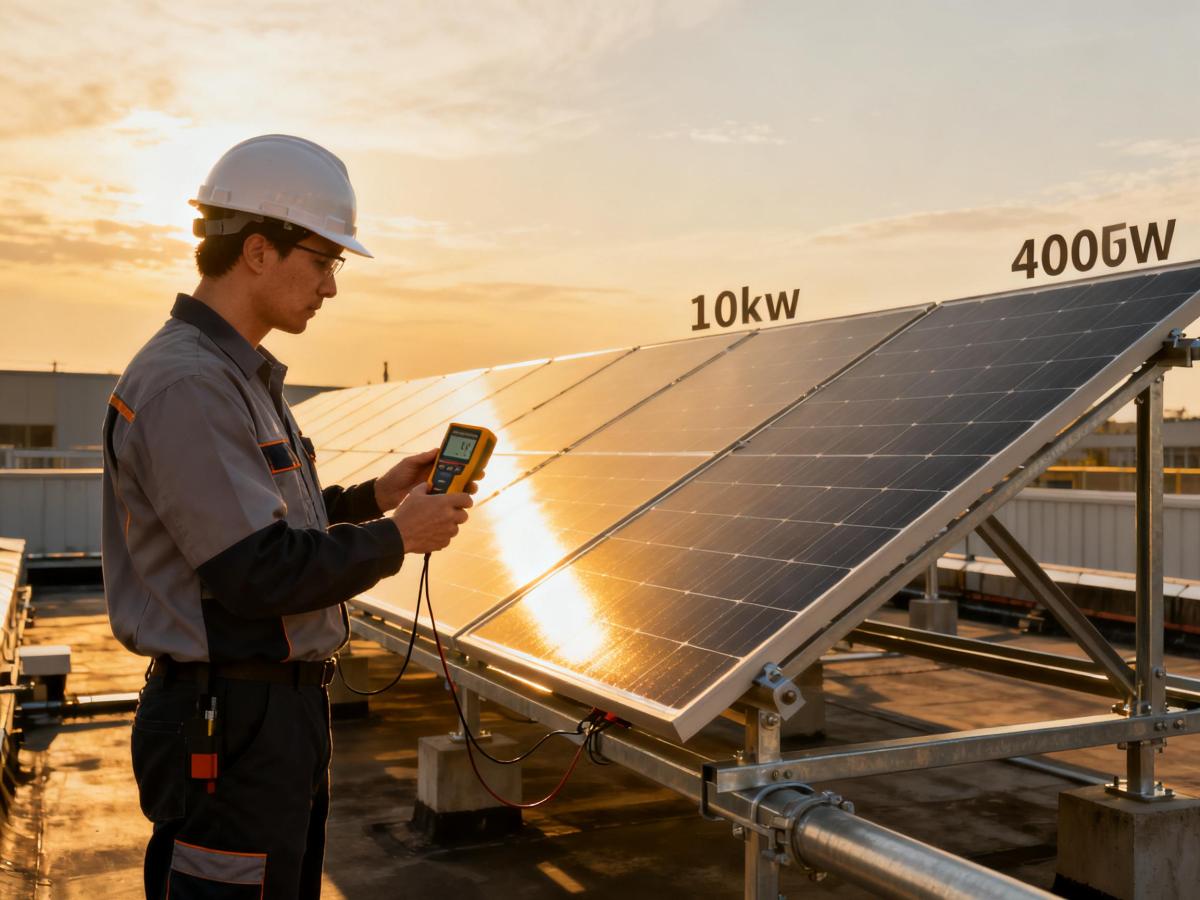
When evaluating 400 watt solar panels versus traditional models for commercial solar systems, businesses must analyze ROI across installation costs, energy output, and incentives like California solar incentives. This comparison examines key factors including 10kw solar system scalability, Canadian Solar panels' reliability, and Tesla Powerwall integration costs - helping technical evaluators and financial decision-makers determine the optimal solution for their renewable energy needs.
Key Factors to Consider When Choosing Solar Panels
Selecting the right solar panels for your business requires careful consideration of several critical factors. Energy output is paramount, with 400 watt solar panels offering higher efficiency compared to traditional models. This means you can generate more electricity with fewer panels, reducing installation space requirements. For businesses considering a 10kw solar system, this efficiency translates to significant space savings and potentially lower installation costs.
Reliability is another crucial factor. Brands like Canadian Solar panels have established reputations for durability and performance. When evaluating options, it's important to consider the manufacturer's track record and warranty terms. The Trina Solar N Type Bifacial Dual Glass Module 695w 700w 715w 720w represents another high-performance option, particularly for businesses looking to maximize energy production from limited roof space.
Cost Analysis: Installation and Long-term Savings
The cost for solar panels and installation varies significantly depending on the system size and panel type. While 400 watt panels may have a higher upfront cost per unit, their greater efficiency often results in lower overall system costs. This is particularly true when factoring in reduced mounting hardware and labor expenses. For businesses in regions with California solar incentives, the financial equation becomes even more favorable.
When considering energy storage, the cost of Tesla Powerwall or similar systems should be factored into the total investment. These storage solutions can significantly enhance the ROI of your solar installation by allowing you to store excess energy for use during peak rate periods or power outages.
Technical Considerations for Commercial Systems
For commercial solar systems, technical specifications take on added importance. The voltage compatibility of panels (such as 12v solar panel configurations) with your existing infrastructure is crucial. Modern high-efficiency panels like Aptos solar panels often incorporate advanced technologies that improve performance in various weather conditions and reduce degradation over time.
System scalability is another critical factor. A 10kw solar system might be sufficient for some businesses, while others may require larger installations. The modular nature of solar systems allows for future expansion, making it important to choose components that can accommodate growth.
ROI Comparison: 400W vs Traditional Panels
The return on investment for solar panels depends on multiple variables including energy rates, available sunlight, and system efficiency. Higher wattage panels like the 400 watt solar panels typically offer better ROI due to their increased energy production per square foot. This advantage becomes more pronounced in areas with limited installation space.
When evaluating ROI, businesses should consider:
- Upfront costs versus long-term energy savings
- Available incentives and tax credits
- Maintenance requirements and expected lifespan
- Potential increases in property value
- Energy independence and price stability benefits
Installation and Maintenance Considerations
The installation process for commercial solar systems varies depending on the panel type and system size. Home solar installation kits might be suitable for small businesses, but most commercial operations will require professional installation. The reduced number of panels needed for a 400 watt system can lead to faster installation times and lower labor costs.
Maintenance requirements are generally low for modern solar panels, but businesses should still consider accessibility for cleaning and potential repairs. The Trina Solar N Type Bifacial Dual Glass Module 695w 700w 715w 720w offers enhanced durability that can reduce maintenance needs over the system's lifetime.
Conclusion and Next Steps
When comparing 400 watt solar panels to traditional models for commercial applications, the higher efficiency panels typically offer superior ROI, especially when considering total system costs and available incentives. Factors like the Canadian Solar panels' reliability, Tesla Powerwall integration, and California solar incentives all play important roles in the financial equation.
For businesses ready to take the next step in renewable energy adoption, we recommend consulting with a solar energy specialist to evaluate your specific needs and develop a customized solution. Contact our team today to learn how modern solar technology can benefit your operation and bottom line.
Online message