

News
Related suggestion
- 2025 Price Outlook: How the price of solar panels Impacts Project ROI and Procurement StrategiesGenerac solar generator, grid tied solar system and hybrid solar inverter buyers: decode 2025 pv panel prices, price of solar module and price of solar panels to decide whether to purchase solar panels or pick Jinko solar panels. Learn how many kilowatt hours in a watt, how much are solar panels for homes, and get ROI-ready procurement guidance to protect margins — access our checklist and price forecasts now.
- Integrating a generac solar generator with a grid tied solar system: Cost, Controls and Compliance Guide 2025Generac solar generator with grid tied solar system: guide on hybrid solar inverter controls, Jinko solar panels and pv panel prices. Compare price of solar module and price of solar panels, learn how much are solar panels for homes, how many kilowatt hours in a watt, how to purchase solar panels and get custom plan.
- Grid tied solar system ROI: What Procurement Teams Must Check in 2025 Before Signing ContractsGrid tied solar system ROI checklist: procurement teams must verify hybrid solar inverter compatibility, generac solar generator backup, Jinko solar panels specs, pv panel prices and price of solar module vs price of solar panels. Know how many kilowatt hours in a watt, how much are solar panels for homes and steps to purchase solar panels — click for procurement-ready cost, warranty and performance checks.
- pv panel prices 2025: Market Snapshot and Forecast to Fast-Track Project Financial Approvalspv panel prices 2025: market snapshot and forecast on price of solar panels and price of solar module to fast‑track approvals. Compare Jinko solar panels, hybrid solar inverter, Generac solar generator, grid tied solar system options, plus how much are solar panels for homes and how many kilowatt hours in a watt.
- What are solar panels in 2025? Practical guide for procurement, ROI and technical specsWhat are solar panels in 2025? Practical guide to 500w solar panel and 600 watt solar panel selection, average cost of photovoltaic panels, cheap PV panels vs commercial solar power, davits solar mounts and Enphase inverters/microinverters—procurement, ROI, specs.
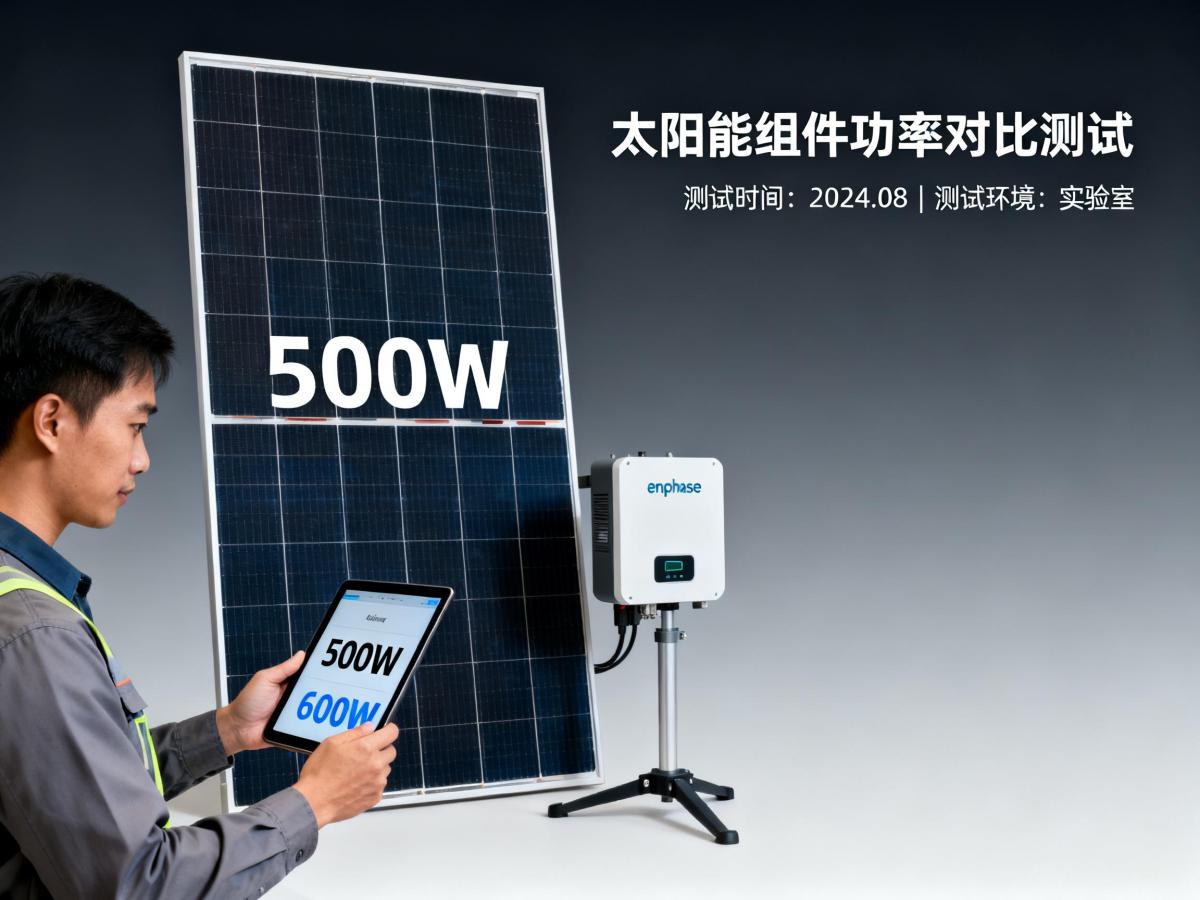
In 2025, answering "what are solar panels" means more than a basic definition — it's about choosing the right 500w solar panel or a 600 watt solar panel, balancing the average cost of photovoltaic panels against performance, and deciding between cheap PV panels and higher‑value commercial solar power systems. This practical guide walks procurement, ROI and technical specs for installers and decision-makers, covering mounting options like davits solar mounts and inverter choices from Enphase — enphase inverters, enphase microinverters and enphase solar panels — so buyers, engineers and financiers can evaluate lifecycle value. In plain terms, solar panels convert sunlight into electricity using semiconductor cells; still, modern procurement evaluates efficiency, degradation rate, temperature coefficients and system-level yield. What separates a household array from a commercial solar power deployment? Scale, warranties, BOS (balance of system) costs, and the choice between centralized string inverters or distributed enphase microinverters. Decision-makers ask: are cheap PV panels acceptable for a low upfront budget, or will slightly higher initial spend yield better ROI through improved warranties and lower LCOE? Market dynamics in 2025 show module efficiencies rising and cost-per-watt pressure easing—yet module specification matters. For example, a 500w solar panel and a 600 watt solar panel now target different use cases: residential roofs favor high-efficiency N-type modules with moderate wattage to fit roof area, while commercial carport or ground-mounted arrays frequently prefer 600W+ panels for lower BOS and O&M costs. Buyers performing technical evaluation should look at nameplate power, PTC ratings, and rated output under real-world irradiance. Procurement teams, operations staff and project managers must align on installation constraints—tilt, shading, roof load, and mounting choices such as davits solar mounts for waterfront or small rooftop lifts. Beyond hardware, anticipate permitting timelines, interconnection policies and incentives that materially change payback. This opening overview sets the stage for technical performance, procurement guide and cost comparisons that follow.
Technical performance, procurement guidance and cost trade-offs
Technical performance and procurement converge when stakeholders ask precise questions: what module efficiency yields best kWh per square meter? Which inverter topology minimizes single-point failure risk? How does the average cost of photovoltaic panels influence levelized cost of energy? In practice, evaluate these metrics together: module STC and PTC ratings, temperature coefficient, annual degradation (first-year and long-term), and BOM compatibility with enphase inverters or legacy string inverters. For rooftop projects where shade dynamics change over a day, enphase microinverters paired with enphase solar panels can increase yield and simplify monitoring and O&M — though initial device count and per-unit cost must be factored into procurement budgets. Procurement Guide: (1) Define energy target (kWh/yr) and site constraints; (2) Compare 500w solar panel and 600 watt solar panel alternatives by area, mounting and tilt; (3) Evaluate total installed cost, not just module price—cheap pv panels may lower capital expense but often shorten warranty and increase degradation, raising LCOE; (4) Include BOS items: mounting (including davits solar mounts if needed), wiring, combiner boxes, and inverter choices like enphase inverters. Cost & Alternatives: buyers should model scenarios with realistic degradation and rebate assumptions. The average cost of photovoltaic panels will vary by region and tariff, but sensitivity to module price is decreasing compared to soft costs like permitting and labor. For commercial solar power projects, prioritize proven durability, linear performance warranties, and bankability—these reduce financing costs and accelerate approvals. Standards & Certification: insist on IEC 61215/61730, UL listings, and PID resistance ratings; third-party degradation tests and factory audits matter for large installs. Real-world tip: validate supplier traceability and factory QA, and schedule a site-specific yield study before final selection. A practical product reference for residential buyers is Jinko Solar Panel N Type 430W 440W 450W For Home System, which balances N-type cell performance and residential sizing considerations. To close, decision-makers and finance approvers should request a simple ROI table from suppliers showing IRR, payback period and sensitivity to energy price inflation. Why choose us? We help procurement teams align technical specs with commercial outcomes, validate vendor claims, and structure bids that reduce lifecycle cost while protecting performance. Contact us to run a site-specific procurement model, compare 500w solar panel vs 600 watt solar panel scenarios, or get assistance evaluating enphase microinverters and davits solar mounts for your next project.
Online message