

News
Related suggestion
- 2025 Price Outlook: How the price of solar panels Impacts Project ROI and Procurement StrategiesGenerac solar generator, grid tied solar system and hybrid solar inverter buyers: decode 2025 pv panel prices, price of solar module and price of solar panels to decide whether to purchase solar panels or pick Jinko solar panels. Learn how many kilowatt hours in a watt, how much are solar panels for homes, and get ROI-ready procurement guidance to protect margins — access our checklist and price forecasts now.
- Integrating a generac solar generator with a grid tied solar system: Cost, Controls and Compliance Guide 2025Generac solar generator with grid tied solar system: guide on hybrid solar inverter controls, Jinko solar panels and pv panel prices. Compare price of solar module and price of solar panels, learn how much are solar panels for homes, how many kilowatt hours in a watt, how to purchase solar panels and get custom plan.
- Grid tied solar system ROI: What Procurement Teams Must Check in 2025 Before Signing ContractsGrid tied solar system ROI checklist: procurement teams must verify hybrid solar inverter compatibility, generac solar generator backup, Jinko solar panels specs, pv panel prices and price of solar module vs price of solar panels. Know how many kilowatt hours in a watt, how much are solar panels for homes and steps to purchase solar panels — click for procurement-ready cost, warranty and performance checks.
- pv panel prices 2025: Market Snapshot and Forecast to Fast-Track Project Financial Approvalspv panel prices 2025: market snapshot and forecast on price of solar panels and price of solar module to fast‑track approvals. Compare Jinko solar panels, hybrid solar inverter, Generac solar generator, grid tied solar system options, plus how much are solar panels for homes and how many kilowatt hours in a watt.
- What are solar panels in 2025? Practical guide for procurement, ROI and technical specsWhat are solar panels in 2025? Practical guide to 500w solar panel and 600 watt solar panel selection, average cost of photovoltaic panels, cheap PV panels vs commercial solar power, davits solar mounts and Enphase inverters/microinverters—procurement, ROI, specs.
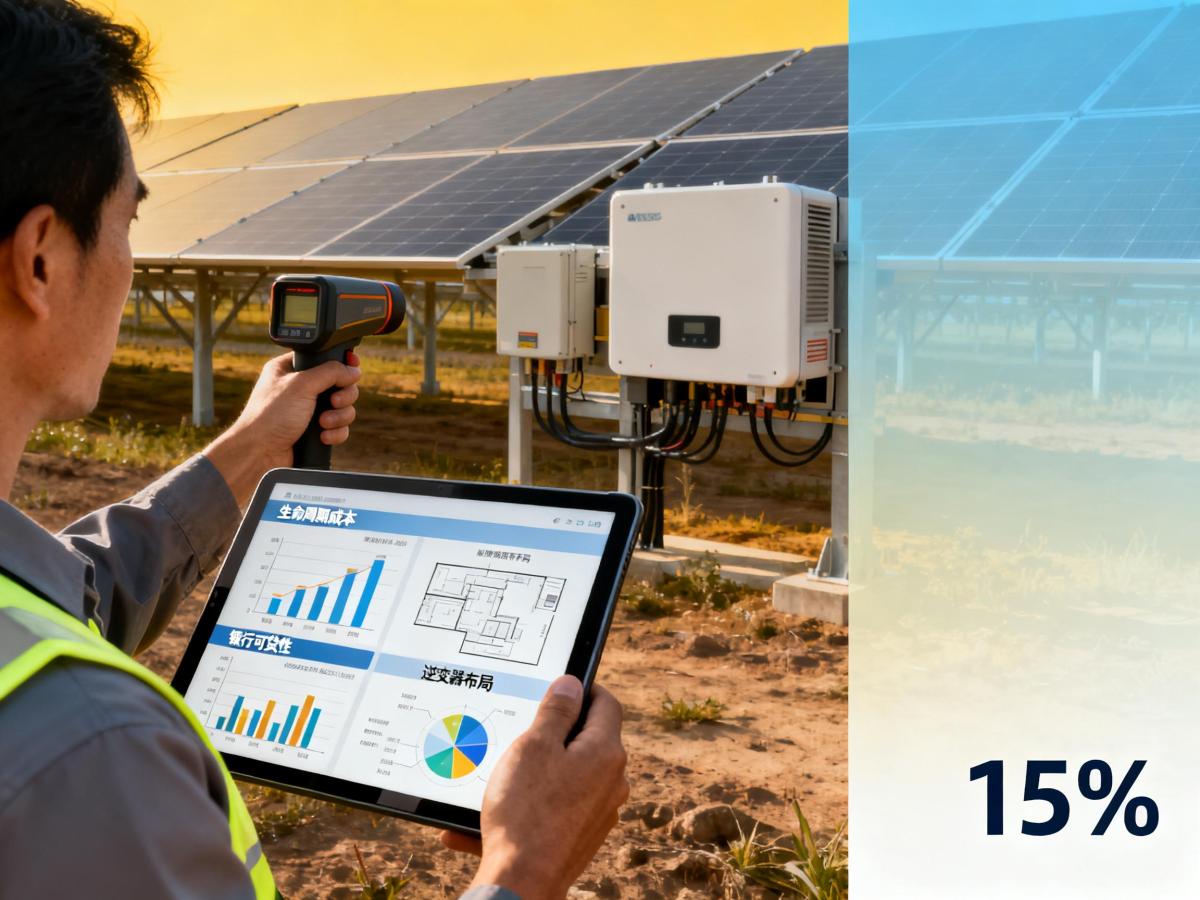
Financiers vetting first solar panels’ lifecycle costs and bankability for utility PV in 2025 focus on degradation, warranty strength, and realistic LCOE modeling using tools such as solar calculator panels. They weigh inverter strategies—from solar edge inverter string solutions to enphase micro inverter or other solar micro inverter architectures and grid tie inverter reliability—alongside supply-chain risks spanning solar wholesale, Solaranlage Trina and SunPower power options. This primer highlights the technical, procurement and financial questions project teams, distributors and operations staff ask before greenlighting utility-scale solar, with relevance down to solar power in the home. Investors do not only ask “what is the nameplate output?” They ask how that output holds up after 10, 15, 20 years, what the degradation curve looks like under real site conditions and whether predicted yields from a solar calculator panels model match measured performance in similar climates. Bankability conversations bring in warranty language and bankable test reports: IEC 61215, IEC 61730, UL listings and independent performance validation. Procurement teams compare module families and likely BOS impacts; for example, higher-efficiency modules may reduce area and racking costs but demand different inverter mapping—does one deploy a solar edge inverter topology or prefer distributed enphase micro inverter solutions to limit single-point failure risk? Operations teams query maintainability: are string-level monitoring and module-level visibility available, and how does that affect long-term O&M budgets? Financial approval hinges on transparent assumptions, credible degradation rates tied to field data, and clear mitigation of supply-chain stressors such as long lead times in solar wholesale channels or vendor concentration when sourcing from suppliers named in procurement plans like Solaranlage Trina or SunPower power manufacturers. Project managers must anticipate warranty transferability at resale, and end-users—whether utility-scale or a homeowner exploring solar power in the home—benefit when procurement adheres to bankable standards and clear performance guarantees.
Definition & Market Overview
Definition: bankability in the context of PV generally refers to the extent to which modules, inverters and balance-of-system components are accepted by lenders as predictable, low-risk assets. It draws on product track record, independent test reports and manufacturer financial strength. Market Overview: as 2025 unfolds, financiers increasingly expect lifecycle-level transparency: levelized cost of electricity inputs, degradation models, and scenario analyses that reflect inverter choices such as solar edge inverter string layouts vs. distributed enphase micro inverter arrays. The market dynamic also forces procurement teams to evaluate supplier diversity—solar wholesale markets show shifting supplier shares where Solaranlage Trina offerings sit alongside legacy brands and emerging competitors. Corporate buyers and distributors must reconcile technical performance with supply assurance: can a supplier guarantee consistent delivery and spare-part availability? Increasingly, developers model sensitivity to inverter failure modes—grid tie inverter outages, micro inverter channel failures and centralized inverter maintenance windows all change expected uptime and revenue capture. Analysts use solar calculator panels models to quantify how these operational realities alter cashflow and debt service coverage ratios. For procurement personnel and distributors the question becomes operational: will selecting a higher-cost, longer-warrantied module reduce insurance premiums and lower perceived project risk for banks? For a homeowner seeking solar power in the home, these same trade-offs are visible at smaller scale—choice between a single machine grid tie inverter and modular enphase micro inverter systems affects redundancy and monitoring granularity. Across the value chain, international standards (IEC 61215, IEC 61730, NEC compliance for US interconnection) remain the baseline for acceptance. Those preparing bid packages must present bankable test data, independent degradation studies and realistic modeling assumptions to align with lender expectations.
Technical Performance, Procurement Guide & Cost Alternatives
Technical Performance: key parameters financiers and technical evaluators watch are nameplate efficiency, temperature coefficient, low irradiance performance, and measured degradation rate over time. Inverter selection influences BOS and maintenance cadence: a solar edge inverter approach can maximize string-level efficiency and reduce per-unit inverter cost, while a solar micro inverter or enphase micro inverter topology raises upfront inverter counts but often improves module-level fault isolation and simplifies performance warranty claims. Grid tie inverter reliability, surge tolerance and firmware update processes are under scrutiny because inverter downtime directly reduces cashflow. Procurement Guide: when specifying equipment, include bankable warranty clauses (minimum 25-year linear performance warranty for utility modules where applicable), independent PID/EL testing, and clauses for spare part provisioning. Include performance guarantees in RFPs and insist on third-party measurement campaigns; this helps finance teams reconcile solar calculator panels yield estimates with empirical data. Cost & Alternatives: lifecycle cost analysis should compare capital expenditure against O&M scenarios and replacement risk. For example, higher-efficiency modules may cost more per W but can reduce land, racking, and trenching costs—sometimes offsetting the premium. Alternatively, lower-cost modules coupled with modular inverter strategies could offer better short-term ROI, but lenders may discount expected long-term performance. Case note: a recent utility procurement that blended First Solar thin-film modules with distributed grid tie inverter redundancy achieved lower degradation risk and simplified end-of-life recycling assumptions; projects that mixed module types required careful MPPT mapping and tighter performance testing. Supply-chain note: sourcing from diversified channels, from solar wholesale distributors to manufacturer-direct lines such as Trina solar Vertex S 380W 385W 390W 395W 400W Solar Panels, can reduce single-supplier exposure—but each addition requires bankable paperwork and traceability. Trend & Insights: financiers increasingly expect scenario stress tests: elevated degradation, delayed commissioning, or inverter fleet replacement at year 12. Lenders want visibility on mitigation plans and evidence of standardized maintenance procedures. Why choose us / Contact us: if your team needs a bankability review, LCOE validation or procurement checklist aligned with lender expectations, contact our advisory group for a tailored assessment. We help developers, procurement teams and financiers translate technical specifications—whether discussing first solar panels, solar wholesale strategies or inverter architecture—into bankable, finance-ready documentation and actionable risk mitigations.
Online message