

News
Related suggestion
- 2025 Price Outlook: How the price of solar panels Impacts Project ROI and Procurement StrategiesGenerac solar generator, grid tied solar system and hybrid solar inverter buyers: decode 2025 pv panel prices, price of solar module and price of solar panels to decide whether to purchase solar panels or pick Jinko solar panels. Learn how many kilowatt hours in a watt, how much are solar panels for homes, and get ROI-ready procurement guidance to protect margins — access our checklist and price forecasts now.
- Integrating a generac solar generator with a grid tied solar system: Cost, Controls and Compliance Guide 2025Generac solar generator with grid tied solar system: guide on hybrid solar inverter controls, Jinko solar panels and pv panel prices. Compare price of solar module and price of solar panels, learn how much are solar panels for homes, how many kilowatt hours in a watt, how to purchase solar panels and get custom plan.
- Grid tied solar system ROI: What Procurement Teams Must Check in 2025 Before Signing ContractsGrid tied solar system ROI checklist: procurement teams must verify hybrid solar inverter compatibility, generac solar generator backup, Jinko solar panels specs, pv panel prices and price of solar module vs price of solar panels. Know how many kilowatt hours in a watt, how much are solar panels for homes and steps to purchase solar panels — click for procurement-ready cost, warranty and performance checks.
- pv panel prices 2025: Market Snapshot and Forecast to Fast-Track Project Financial Approvalspv panel prices 2025: market snapshot and forecast on price of solar panels and price of solar module to fast‑track approvals. Compare Jinko solar panels, hybrid solar inverter, Generac solar generator, grid tied solar system options, plus how much are solar panels for homes and how many kilowatt hours in a watt.
- What are solar panels in 2025? Practical guide for procurement, ROI and technical specsWhat are solar panels in 2025? Practical guide to 500w solar panel and 600 watt solar panel selection, average cost of photovoltaic panels, cheap PV panels vs commercial solar power, davits solar mounts and Enphase inverters/microinverters—procurement, ROI, specs.
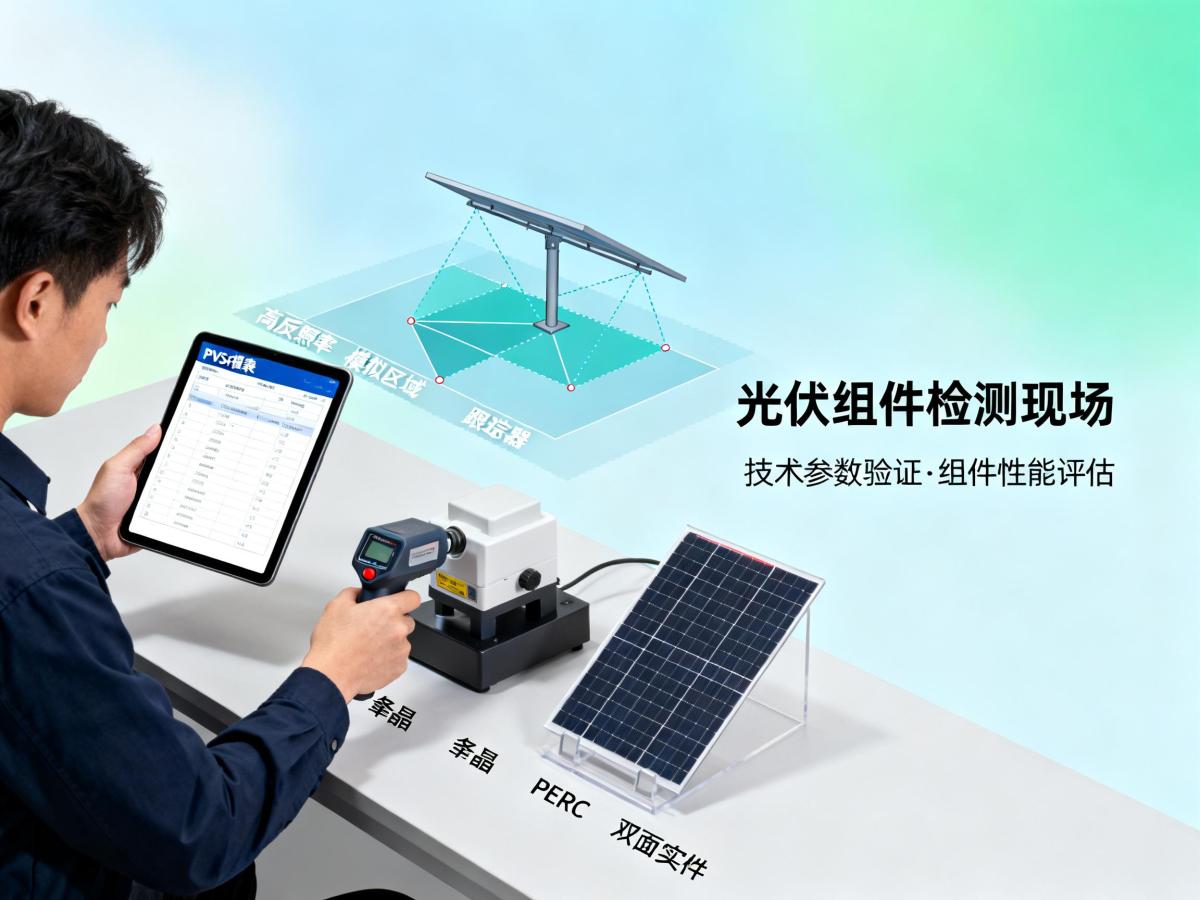
As procurement teams evaluate what are solar panels in 2025 and what a solar panel choice means for LCOE, this technical guide compares mono, PERC and bifacial cells to clarify performance, degradation and system economics. We dissect solar panels cost and solar panels price drivers, quantify install solar panels cost and typical solar panels install workflows, and weigh trade-offs for home solar panels versus commercial solar roof panels. Whether you’re assessing the best solar panels for CAPEX, O&M or solar energy yield, this concise primer equips technical evaluators, buyers and project managers with practical metrics for procurement decisions. In practice, procurement must translate cell-level metrics into site-level energy, warranty risk and balance-of-system implications: how much extra yield does bifacial gain deliver on a given albedo and tracker geometry, what warranty terms reduce life-cycle risk for high-efficiency mono PERC modules, and where do installation and BOS choices dominate the solar panels cost compared to module selection? This opening section frames those questions, emphasizes the procurement lens, and sets expectations for the deeper sections that follow. For many decision makers — from financial approvers reviewing NPV to operations staff managing long-term degradation — clear numbers are more persuasive than marketing claims. We therefore emphasize measured field performance, standardized test metrics (STC, PTC, NOCT) and conservative assumptions for long-term yield modeling when converting manufacturer solar panels price quotes into project CAPEX and predicted LCOE. By the end of this guide you will have a practical checklist to compare a mid-size utility PV tender against rooftop home solar panels options, understand common sources of variance in install solar panels cost, and identify which module type best aligns with site constraints and financial targets. This paragraph primes the technical depth to follow and ensures procurement can ask the right questions of vendors, installers, and financiers while keeping an eye on total cost of ownership and the expected solar energy delivered across a module's warranted life.
Definition & Overview — what each technology is and why it matters
A clear definition reduces ambiguity during vendor selection. For procurement teams, distinguishing between mono-crystalline (mono), PERC-enhanced, and bifacial cells is foundational to understanding performance trade-offs and solar panels cost drivers. Mono cells use single-crystal silicon wafers and typically deliver high nameplate efficiency with stable degradation characteristics. PERC (Passivated Emitter and Rear Cell) is a cell architecture that adds a passivation layer on the rear, improving internal reflectance and boosting efficiency compared to standard mono. Bifacial modules capture light from both the front and rear surfaces; rear-side energy capture depends on ground reflectance (albedo), racking height, and tracker use. From a procurement perspective, the differences matter because they alter energy yield per watt and therefore affect LCOE and payback periods more than small changes in solar panels price. When evaluating what are solar panels for a specific project, teams should track three primary vectors: 1) nameplate efficiency and PTC-adjusted yield; 2) expected degradation rate over warranty periods (annual percentage loss and end-of-term retention); and 3) real-world gains such as bifacial rear-side contribution or lower temperature coefficients that maintain output in hot climates. These factors tie directly into downstream costs: fewer modules required for a target energy yield reduces mounting, wiring, and installation labor hours, while higher-efficiency modules can reduce roof area footprint and permit easier permitting for home solar panels or constrained commercial solar roof panels. In procurement conversations, require vendors to provide PVSyst-ready datasets, bifaciality factors, and standardized degradation curves; these items let technical evaluation teams model energy yield with conservative and optimistic scenarios, feeding both technical and financial evaluations within the buyer organization. Careful definition and test-data requirements reduce ambiguity and enable apples-to-apples cost and yield comparisons across tender responses.
Market Overview & Trends — supply, price drivers and where costs concentrate
Understanding market dynamics helps buyers anticipate solar panels price movement and negotiate better terms. In 2025 the module market shows wide segmentation: commodity-grade modules target lowest solar panels cost per nameplate watt, premium high-efficiency modules target minimized LCOE for constrained-space projects, and bifacial high-power modules target tracker-based utility arrays where rear-side yield multiplies value. Key price drivers now include wafer size and cell technology, silver paste consumption and alternatives, glass and framing supply chains, and logistics and freight volatility. For solar roof panels and residential home solar panels, soft costs such as permitting, labor, and customer acquisition often dwarf module price; this makes the best solar panels for a residential integrator those that simplify installation and logistics rather than those that only promise the highest efficiency per cell. On commercial and utility projects, module choice frequently depends on BOS trade-offs: a slightly higher solar panels price for higher-efficiency mono or PERC can be offset by reduced racking and lower install solar panels cost per unit of delivered energy. Commodity cycles and CAPEX pressures also influence warranty negotiation; when solar panels cost drops rapidly, buyers should structure conditional procurement clauses to capture downside price movement or obtain price protection to avoid overpaying. The market is also moving toward longer product warranties, tighter PID and LID controls, and better QC sampling for shipments. For procurement teams, combining market intelligence with technical evaluation reduces the chance of selecting modules that appear cheapest on the quote but increase total installed cost through poorer yield, higher degradation, or expensive BOS adjustments. Regularly update benchmarks for solar panels price, average install solar panels cost per kW by region, and typical inverter and tracker costs to maintain negotiating leverage and accurate LCOE models.
Comparison Analysis & Technical Performance — mono vs PERC vs bifacial (practical metrics)
Side-by-side technical metrics make procurement decisions objective. Below are concise, procurement-focused comparisons with the parameters most relevant to buying decisions: nameplate efficiency, temperature coefficient, degradation rate, and yield factors under different site conditions. Mono modules typically offer efficiencies in the 19–22% range for series-production panels in 2025, with good low-light performance and moderate temperature coefficients. PERC variants push nominal efficiency higher (often 20–23% for commercial modules), deliver incremental energy across the year, and generally show slightly improved low-light response and marginally better degradation profiles when well-manufactured. Bifacial modules—especially higher-power 72-cell designs—deliver additional rear-side yield that can range from 5% to 25% depending on albedo, mounting height and tracking; for flat commercial roofs with white membranes or raised racks, bifacial gains are on the lower end, whereas tracker arrays over high-albedo ground achieve the higher end. When translating to project value, procurement teams should model bifacial gain conservatively (use project-specific albedo measurements or conservative defaults) and always request bifacial gain validation tests from the vendor or third-party field trials.Key technical items to request from vendors:
- STC and PTC power ratings and the measured temperature coefficient;
- IEC certifications (61730, 61215), PID resistance test reports, and salt/fog or ammonia resistance where applicable;
- Degradation curve (first-year and annual linear rate) and end-of-term guaranteed output;
- Bifaciality factor and recommended mounting geometry for expected gain;
- Full IV curve data and thermal cycles results for quality assessment.
Procurement Guide, Cost & Alternatives — practical checklist, install workflows and a product example
Procurement needs a reproducible checklist to convert technical specifications into procurement decisions that minimize LCOE and operational risk. Start with requirements gathering: define target energy, site constraints (roof area, tilt, shading), mounting type (fixed, adjustable, single-axis tracker), and O&M capability. Next, assemble comparison inputs: solar panels price per watt, measured PTC yield or PVSyst simulations, degradation assumptions, inverter efficiency and warranty, and typical install solar panels cost including labor and racking. For residential projects, factor customer acceptance and roof integration; for commercial solar roof panels and large-scale arrays, focus modeling on BOS, tracker capital, and transmission or interconnection cost. A typical install solar panels cost breakdown to request from bidders should include module cost, racking, inverters, electrical balance of system, labor, permitting, and commissioning. Insist on line-item quotes so you can compare true installed cost instead of module-only pricing. In an RFP, require vendors to supply:
- Guaranteed output tables (STC, PTC) and sample batch test reports;
- Warranty terms with financial remedies (performance curve, product warranty length, and transferability);
- Scope for installation, quality control and post-install surveillance;
- References for similar projects and measured field performance where available.
Trends, Standards & Why Choose Us / Contact
Looking ahead, procurement teams should expect continued performance improvements, wider adoption of bifacial modules in tracker fleets, and tighter quality controls driven by bankability requirements. International standards such as IEC 61215 and IEC 61730 remain baseline certifications; additionally, insist on third-party IEC test reports, salt/fog and ammonia resistance testing for coastal or agricultural sites, and PID and mechanical load testing reports for high-wind areas. From an operational viewpoint, improved monitoring, ML-enabled fault detection and standardized O&M contracts reduce lifecycle costs and the effective install solar panels cost per MWh. For buyers evaluating the best solar panels, the most valuable partner is one that combines deep technical vetting, market price intelligence and reliable after-sales support to protect project yield and warranty claims. Why choose us: we combine industry-standard technical checklists, conservative yield modeling, and procurement-grade sampling and acceptance testing to reduce vendor risk and make solar panels price comparisons meaningful. Contact us to receive an RFP template tailored to your project type, a sample energy-model workbook prepopulated with conservative degradation assumptions, and a recommended supplier shortlist based on current market pricing and bankability metrics. Reach out to schedule a technical review, request a PVSyst-ready dataset evaluation, or get a bespoke cost breakdown to validate your internal solar panels cost assumptions and shorten procurement cycles.
Online message